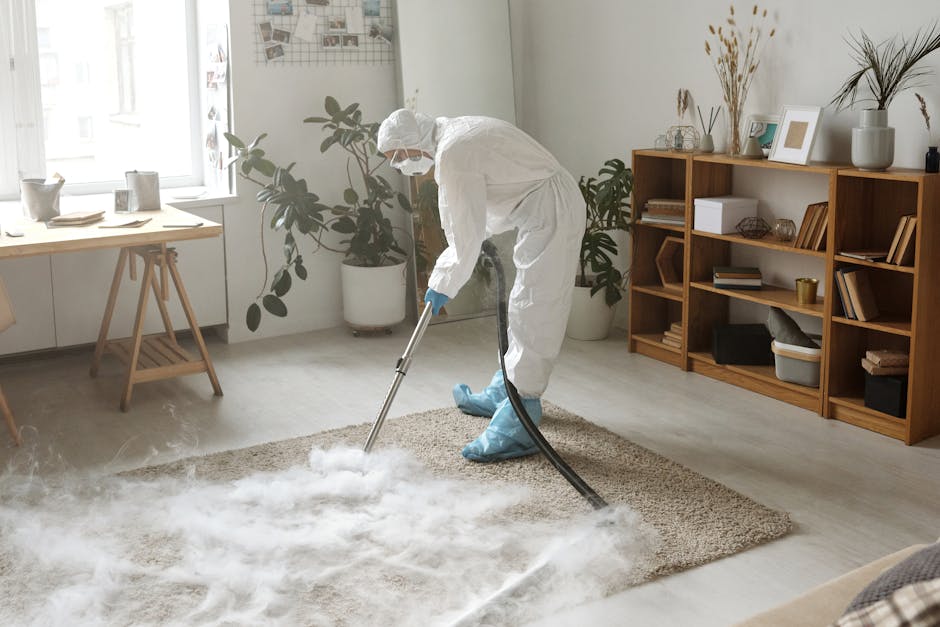
Emergency stain removal for carpets in Barnet

Spilled red wine on a pale lounge carpet? Mud ground in after a wet school run? A dropped coffee mug right before guests arrive? These things happen fast, and they always seem to happen at the worst possible moment. Emergency stain removal for carpets in Barnet is about acting quickly, using the right method, and avoiding the panic moves that can turn a small spill into a permanent mark. In this guide, you'll learn what to do in the first few minutes, how different stains behave, when DIY makes sense, and when it is smarter to bring in professional help.
Barnet homes and businesses deal with the same everyday carpet problems as anywhere else in London, but timing matters more than people think. Leave a stain to dry, scrub it the wrong way, or add the wrong liquid, and the fibres can lock it in. So let's break it down properly, in plain English.
Why emergency stain removal for carpets in Barnet matters
Carpet stains are not just cosmetic. Once a liquid soaks into the pile and backing, it can spread sideways, soak deeper, and start to interact with dyes, fibres, and underlay. That is why an "I'll deal with it later" approach often becomes a more expensive problem later on.
In a busy Barnet household, this might mean a juice spill during breakfast, a pet accident after a late evening walk, or paint splashes from a DIY job that got a little out of hand. In a commercial setting, it could be a reception area coffee stain, a restaurant spill, or tracked-in mud after a rainy day. The setting changes, but the basic issue is the same: the longer a stain sits, the harder it is to lift cleanly.
There is also a hygiene angle. Some stains, especially food, drink, and pet-related ones, can leave odour or encourage bacteria if they are not handled promptly. And if you are renting, managing a property, or keeping a shared space tidy, a badly treated stain can affect presentation in a very real way. Truth be told, people notice carpets faster than we like to admit.
If you want a broader understanding of carpet care and deep cleaning methods, it can also help to look at the company's main carpet cleaning service and the dedicated stain removal support page for more general treatment options.
How emergency stain removal for carpets in Barnet works
Fast stain removal works through a simple sequence: stop the stain spreading, remove excess material, apply the right treatment, and extract what remains without damaging the carpet. The tricky part is that not every stain behaves the same way. Water-based stains, oil-based stains, protein stains, tannin stains, and dye stains each need a different approach.
Here is the logic in plain terms:
- Contain the spill so it does not spread.
- Lift, blot, or scoop the material without grinding it in.
- Use the least aggressive method first.
- Test cleaning solutions carefully on a small hidden area.
- Extract moisture properly so the stain does not wick back up later.
Emergency treatment often begins with blotting using clean white paper towels or a white cloth. Then, depending on the stain, a specialist may use targeted products, controlled moisture, and a hot water extraction or steam-based method. For some carpets, a more thorough clean is needed after the emergency treatment. That is where steam carpet cleaning can be a useful follow-up, especially when residue has spread deeper into the pile.
One thing people often miss: a stain can look gone on the surface but still be sitting below it. A few hours later, or the next morning, it may reappear as the fibre dries. Slightly annoying, yes. But very common.
Key benefits and practical advantages
Emergency stain removal is about more than saving the look of the carpet. The benefits are practical, financial, and frankly a bit reassuring when a mess has just happened.
- Reduces permanent marking by acting before the stain bonds to fibres.
- Limits spreading, which keeps the affected area smaller.
- Protects carpet life by avoiding harsh rubbing and unsuitable chemicals.
- Helps control odours before they settle in.
- Improves presentation for homes, rentals, offices, and guest spaces.
- Saves time because the right response is usually faster than repeated DIY attempts.
For landlords and tenants, quick action can be especially useful near the end of a tenancy, where appearance matters and a minor stain can become a disputes-and-photo-evidence situation nobody wants. For businesses, it helps keep reception areas, meeting rooms, and communal spaces looking professional. If you manage shared entrances or stairwells, this ties in closely with communal area cleaning and regular upkeep.
There is also peace of mind. Knowing what to do stops that brief moment of frozen panic. You know the one.
Who this is for and when it makes sense
Emergency stain removal is useful for almost anyone with carpeted spaces, but it is particularly relevant for people who cannot just wait until next week and hope for the best.
- Homeowners dealing with day-to-day spills, pets, children, or accidental damage.
- Tenants and landlords who need to protect the condition of a property.
- Airbnb and short-let hosts where a fast turnaround matters.
- Office managers dealing with reception spills or high-traffic flooring.
- Commercial premises that need to stay presentable during business hours.
- People after DIY or renovation work where paint, plaster, or dust has reached the carpet.
It makes sense to act immediately if the stain is fresh, if the carpet is light-coloured, if the spill is oily or strongly pigmented, or if the area is large. It also makes sense when you are not sure what the substance is. A mystery stain is never fun, but guessing can make it worse.
If the stain happened during decorating or building work, it may sit alongside other cleaning needs. In that case, a more general after builders cleaning approach can be helpful because dust, paint specks, and residue often need a broader treatment plan.
Step-by-step guidance
If a stain has just happened, the first 10 minutes matter. Stay calm, move quickly, and do the simple things properly. Here's a sensible order to follow.
1. Act quickly, but do not rush in blindly
Get to the spill straight away. The goal is to stop it spreading. If it is a liquid, use a dry white cloth or paper towel to blot the edges first, then work inward. Do not drag the stain across the carpet.
2. Remove solids carefully
If the spill involves food, mud, or thick residue, lift the material with a spoon or blunt edge. No scrubbing yet. Scrubbing can drive particles deeper into the fibres and make the carpet look fuzzy.
3. Blot, don't rub
This is the rule people ignore most often. Press gently and repeat with clean sections of cloth. If the cloth is getting coloured, that means it is working. If the carpet pile starts looking distorted, you are probably overdoing it.
4. Identify the stain type if you can
Milk, coffee, wine, curry, ink, makeup, pet accidents, and grease all behave differently. Even if you cannot identify the exact stain, a rough category helps. Water-based, oily, protein-based, or dye-based is enough to guide your next step.
5. Test any cleaning solution first
Use a hidden spot. That is not just caution for caution's sake. Some carpet dyes can react badly to cleaning liquids, especially if the carpet is older or has not been professionally treated before.
6. Apply the mildest effective treatment
Start gentle. In many cases, plain cool water and blotting can lift a fresh spill. If you need a cleaning solution, use only what is suitable for the stain and carpet type. A small amount is usually better than a lot.
7. Extract moisture properly
Too much liquid can cause the stain to spread or wick back up as it dries. Use dry towels to absorb as much moisture as possible. If the area is heavily soaked, a professional extraction method may be the safer route.
8. Dry the area well
Open windows if practical, use airflow, and keep foot traffic away. Damp carpet left alone can smell musty. Nobody wants that faint wet-carpet scent hanging around by tea time.
9. Reassess after drying
Check the area once it is dry. If there is a shadow, ring mark, or residue, the stain may need a second pass or a professional treatment.
A practical note: if the spill is still active or the carpet is delicate, it is often better to stop early and get expert help. Not every stain should be fought to the death in the first five minutes.
Expert tips for better results
Over the years, one thing becomes clear: the best results usually come from calm, controlled steps rather than strong products and frantic scrubbing.
- Use white cloths only so you do not transfer dye from a coloured towel onto the carpet.
- Work from the outside in to avoid enlarging the stain.
- Use cool or lukewarm water for many spills; heat can set certain stains, especially protein-based ones.
- Check fibre type if you know it. Wool, synthetic, and blended carpets can react differently.
- Deal with odour separately if the stain involves pets or food residue.
- Dry thoroughly before deciding whether the stain is really gone.
If the stain is pet-related, odour and bacteria can become part of the problem. In those cases, pet stain odour removal is usually more effective than surface cleaning alone.
A good rule of thumb? If you have already tried two methods and the result is getting patchier, stop there. That awkward moment where the stain is half gone but the carpet now has three lighter circles is not progress. It just feels like it.
Common mistakes to avoid
Most carpet damage during stain removal comes from well-meant mistakes. The stain is not always the biggest risk. Sometimes the fix is.
- Rubbing hard and fraying the fibres.
- Using bleach or strong chemicals without knowing the carpet fibre and dye stability.
- Pouring too much water, which can push the stain deeper.
- Mixing products in the hope of a stronger clean.
- Using coloured cloths that can transfer dye.
- Ignoring drying time and letting the mark wick back up later.
- Assuming the stain is gone before the carpet is fully dry.
Another common slip is trying to make the stain disappear quickly with hot water. Sometimes that helps. Sometimes it sets the mark. A bit frustrating, I know, but the stain type decides the method more than wishful thinking does.
Tools, resources and recommendations
You do not need a van full of gear for emergency stain removal, but a small, sensible kit makes a huge difference. Keep the following close at hand if you have carpets at home or in a workplace.
- White microfibre cloths or white paper towels
- A spoon or blunt scraper for lifting solids
- Cold and lukewarm water
- A small spray bottle for controlled application
- A carpet-safe stain treatment suitable for the carpet type
- Protective gloves if you are dealing with unpleasant spills
- A fan or good airflow for drying
For a more thorough clean after the emergency stage, many people combine stain treatment with a broader carpet refresh. The company's deep cleaning service can be relevant where the carpet has general soil, residue, or multiple marks. For larger or more delicate floor coverings, rug cleaning may be a better fit if the stain is on a rug rather than fitted carpet.
If the issue is not just the carpet but also nearby soft furnishings, a joined-up approach can save time. Spills love to migrate, let's face it. A sofa arm, curtain edge, or mattress side can be affected too. In that case, related services such as sofa cleaning, upholstery cleaning, or mattress cleaning may help address the full problem, not just the visible patch.
Law, compliance, standards, or best practice
For carpet stain removal, the main compliance issue is usually not a specific law about stains; it is safe handling, suitable product use, and responsible service delivery. In the UK, professional cleaners are generally expected to work with appropriate care, follow sensible health and safety practices, and use products according to their instructions.
That means a few things in practical terms:
- cleaners should avoid using harsh chemicals without checking fabric suitability
- work should be carried out with proper care around children, pets, and vulnerable people
- wet areas should be managed to reduce slip risk
- products should be used in line with manufacturer guidance
- where possible, the cleaning method should match the fibre type and stain type
If you are hiring help, it is reasonable to look for clear business policies, transparent service terms, and evidence of sensible safety practices. That kind of thing matters, even if it is not glamorous. The company's health and safety policy, insurance and safety information, and terms and conditions are useful places to understand how service standards are handled. If you are comparing prices or trying to decide what type of clean you actually need, pricing and quotes is a sensible next stop.
Best practice also includes being honest about uncertainty. If a stain may have caused dye transfer, backing damage, or underlay saturation, no decent cleaner should pretend otherwise. Better to explain the limits than promise a miracle. Carpet fibres can be stubborn things.
Options, methods, or comparison table
Different stains call for different levels of intervention. Sometimes the right answer is a quick blot and dry. Sometimes it is a targeted treatment. And sometimes it is proper extraction. Here is a simple comparison to make the decision easier.
| Method | Best for | Pros | Limitations |
|---|---|---|---|
| Blotting with water | Fresh spills, light stains | Fast, low risk, easy to try first | May not remove deep or oily stains |
| Targeted stain treatment | Coffee, wine, food, pet accidents | More effective on specific stains | Needs testing; wrong product can damage fibres |
| Controlled extraction / steam cleaning | Older stains, residue, larger affected areas | Deeper clean, better residue removal | Drying time required; not ideal for every delicate carpet |
| Professional emergency treatment | Delicate carpets, stubborn stains, high-value flooring | Less guesswork, lower risk of damage | Costs more than DIY and may need booking |
For some situations, a quick response at home is enough. For others, especially where there is pet contamination, heavy spill volume, or the stain has already begun to dry, professional treatment is simply the safer route. And that is okay. Not every job needs a heroic attempt from the laundry cupboard.
Case study or real-world example
Picture a typical Barnet living room on a Friday evening. Someone knocks over a mug of coffee on a beige carpet near the sofa. The spill spreads slightly, the edge starts to darken, and everybody freezes for a second. Classic.
The sensible response is straightforward: blot immediately, lift any loose coffee granules or milk residue, use a clean damp cloth to reduce the mark, then dry the area well. In a case like this, early action often prevents a large halo forming. But if milk was involved, or if the carpet had previous traffic marks, a simple home fix might only remove the top layer of the problem.
In a slightly messier version of the same story, imagine the coffee had already sat for a few hours while the room was used for guests. The stain starts to dry into the pile, and a faint smell begins to linger. At that point, the faster and cleaner option is often a professional stain treatment followed by a deeper refresh. If the carpet is in a home office, reception area, or shared lounge, the pressure to restore it quickly is even higher.
That is usually the key lesson: speed helps, but the right method matters just as much. A tiny fresh stain and a dry embedded stain are not the same job at all.
Practical checklist
Use this simple checklist when a carpet stain appears. It keeps you focused when your brain is saying, "Right, now what?"
- Identify the spill if possible
- Remove solids gently
- Blot with a clean white cloth
- Work from the outside inward
- Use minimal liquid
- Test any cleaner on a hidden patch
- Avoid scrubbing
- Dry thoroughly
- Check for a reappearing ring after drying
- Escalate to professional help if the stain is large, old, oily, or delicate
If you are dealing with a broader cleaning issue as well, it may also be worth combining stain treatment with one-off cleaning or domestic cleaning if the property needs a wider reset.
Conclusion
Emergency stain removal for carpets in Barnet works best when it is calm, quick, and sensible. Stop the stain spreading, use the gentlest effective method, dry the area properly, and know when a deeper treatment is the smarter choice. That approach protects the carpet, saves time, and reduces the odds of a frustrating ring mark showing up later on.
Whether you are dealing with a fresh coffee spill, a pet accident, muddy shoes, or a more awkward mystery stain, the big lesson is simple: do the right thing early. It really does make all the difference. And if the stain is beyond a sensible DIY fix, there is no shame in bringing in help.
Get a free quote today and see how much you can save.
For more background on the company behind these services, you can also read about the team and review the recycling and sustainability approach if environmental practices matter to you. Small details, maybe, but they do add up.
Sometimes the best result is simply getting the carpet back to normal and getting on with your day. Nice and steady wins it.
Frequently Asked Questions
How fast should I act after a carpet stain appears?
As fast as you can. The first few minutes are usually the most important because they help prevent the stain from soaking deeper or spreading sideways.
Should I rub a fresh stain out of the carpet?
No. Rubbing usually makes things worse by pushing the stain deeper and roughing up the fibres. Blot gently instead.
What is the safest first step for most stains?
Blot the spill with a clean white cloth or paper towel, working from the outside in. If the stain is solid, lift it carefully before adding any liquid.
Can hot water make stains worse?
Sometimes, yes. Heat can set certain stains, especially protein-based ones. Cool or lukewarm water is often the safer starting point.
How do I know if the stain has gone all the way through the carpet?
If the carpet looks clean on top but a mark returns after drying, the stain may still be in the pile or backing. That is a sign deeper treatment may be needed.
What if the stain is from pet urine or vomit?
Act quickly, blot thoroughly, and treat odour separately if needed. Pet-related stains often need more than a surface clean, especially if they have soaked in.
Are DIY carpet cleaners always safe to use?
Not always. Some products are fine for certain fibres and stain types, but others can cause colour loss or residue. Test first and follow instructions carefully.
When should I call a professional instead of trying it myself?
Call for help if the stain is large, old, oily, on a delicate carpet, or still getting worse after a sensible first attempt. It is also a good idea for high-value carpets.
Will steam cleaning remove every stain?
Not every stain, no. Steam cleaning is very useful for many carpets, but some dyes, bleaches, and permanent marks may not come out completely.
What if the stain is on a rug rather than fitted carpet?
Rugs can often be treated differently because of their construction and backing. In many cases, a dedicated rug cleaning approach is more suitable.
Can emergency stain removal help with bad smells too?
Yes, especially if the stain is treated quickly. If the odour is from pets or food residue, a more targeted treatment may be needed to deal with smell as well as the visible mark.
Does emergency stain removal work for offices and commercial spaces?
Absolutely. Offices, shops, and shared buildings often need fast action because presentation matters and foot traffic can spread the stain quickly.
What should I do if I'm not sure what caused the stain?
Keep the treatment minimal at first. Use blotting, avoid harsh chemicals, and do not guess with strong products. If you are unsure, professional inspection is usually safer.
Is it worth combining stain treatment with a deeper clean?
Often, yes. If the carpet has general dirt, traffic lanes, or multiple spots, a deeper clean can improve the final result and help the carpet look even again.